Bike Riding Tips
Use hand signals.
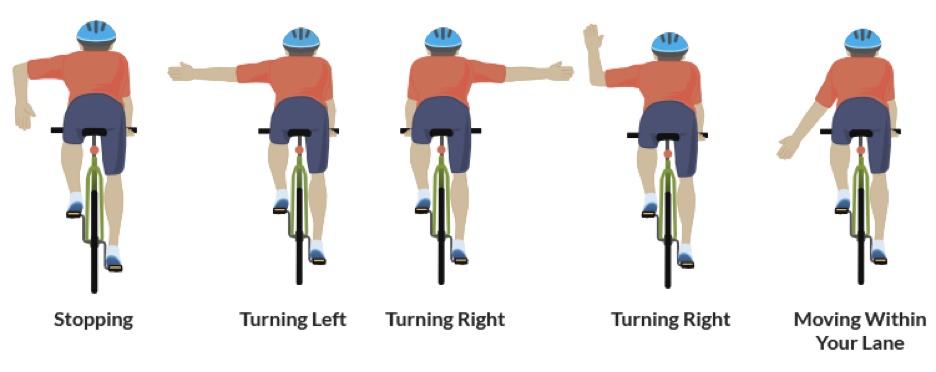
Hand signals are your friend and maybe the most important thing that you can do on a bicycle to keep yourself safe. As a person riding a bike you need to communicate with motorists and other road users to let them know what you intend to do. Amazingly more often than not they will let you do just that as long as you signal your intent and give them time to react. Remember to always shoulder check before you stick your hand out to signal. A shoulder check not only ensures that you are aware of traffic approaching from behind you, but also is a form of communicating to drivers that you want to change your position on the road. Shoulder check, signal and then before you move positions, shoulder check again.

Make sure that your hand signals are clear by extending your arm fully and that you are communicating where you intend to go. So if you are just moving over in the lane, point your arm/hand towards that position. For more information on signalling check out MPI’s website here.
Your position on the road.
People on bicycles have the same rights on the road as those driving cars with one small difference. Cars occupy a whole lane while those of us on bikes most often occupy only a portion of the lane. That said, where you position yourself on the road while riding your bike will vary depending on many things including traffic volume/speed, lane widths, weather, lighting, and even your own comfort and skill level.
Generally you want to stay at least 1 meter from the curb or edge of the road. Staying further away from the curb allows you to avoid the plethora of obstacles and debris along the edge and also gives you room to maneuver should you need to avoid an obstacle. If you instead ride close to the curb, when you have to avoid an obstacle you need to move to your left and into the flow of traffic to avoid it. Staying further out also allows you to maintain a straight line and makes you more predictable.
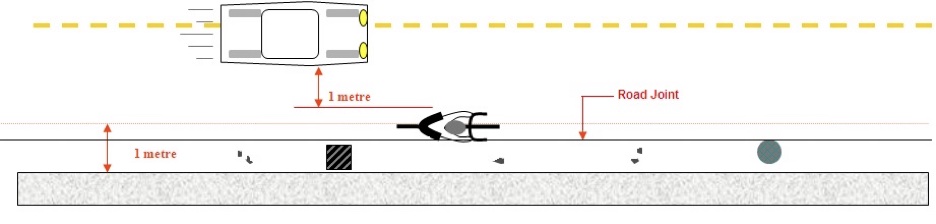
The Highway Traffic Act states that people on bicycles are to ride as close as “practicable” to the edge or curb. It does not state, as some may believe, that you must ride as close as possible to the curb. The bottom line is that practicable should mean safe and something that only the person balancing on 2 wheels can decide based on the conditions. Here are some examples of when you may need to take more space or even “take the lane”:
- If there are obstacles along the edge of the road like debris or even puddles that you need to avoid.
- If there is a right turn lane only but you are going straight through then you need stay in the lane that is proceeding straight an in fact, take the lane to avoid being caught between moving traffic.
- Slip lanes, traffic circles or other spaces where you can be squeezed out.
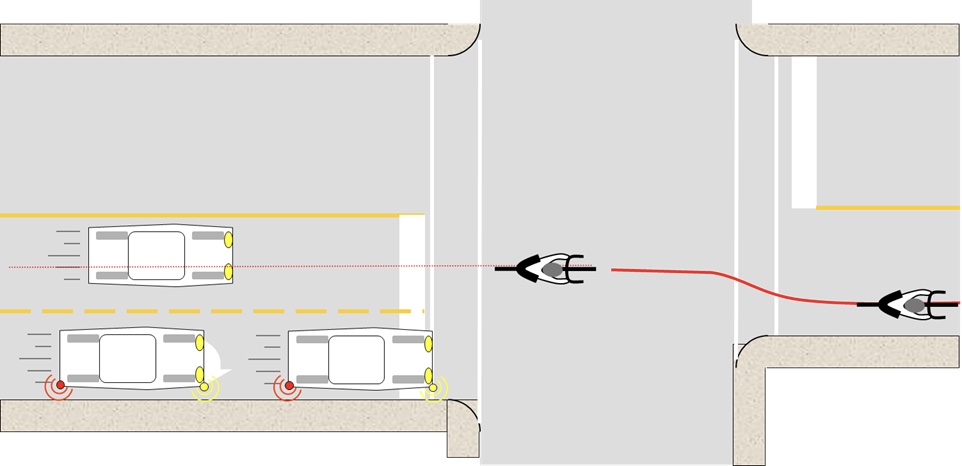
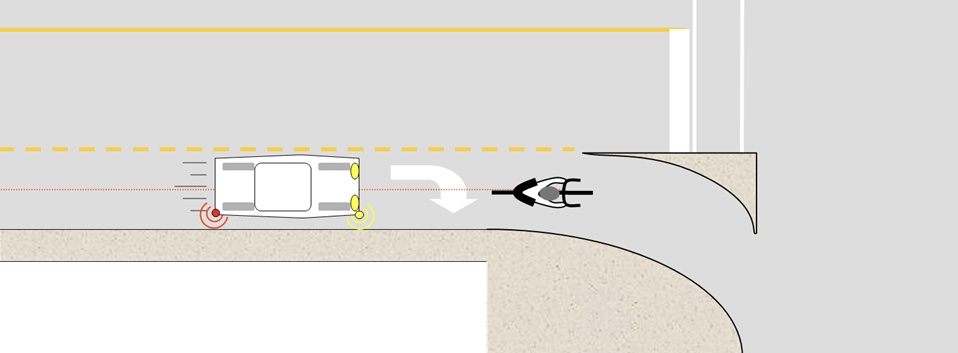
The bottom line is that if you cannot share the lane, don’t.
Stay Visible!
Being visible to drivers isn’t necessarily wearing bright/reflective clothing. It’s about always staying in the driver’s field of vision. This means you need to avoid weaving in and out between parked cars or up onto the sidewalk and then back onto the road.
And while you’re at it, stay out of the door zone. When passing parked cars you need to be at least 1.5 meters away to avoid the door zone. Stay visible, stay away, and stay safe.
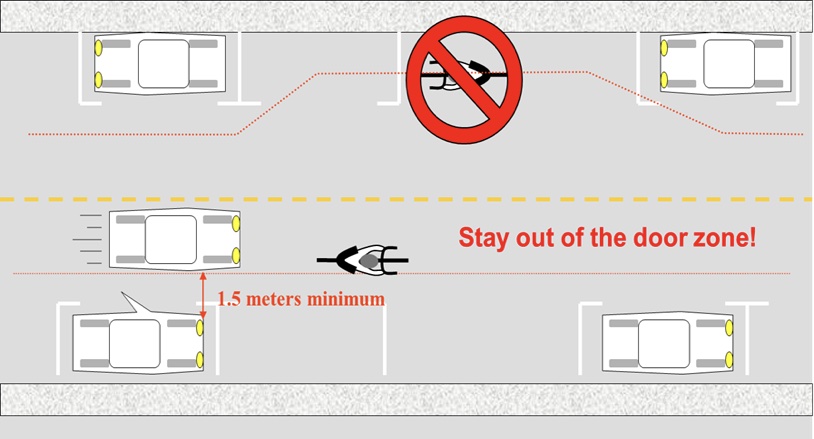
Don’t be the door prize!
Don’t pass on the right.
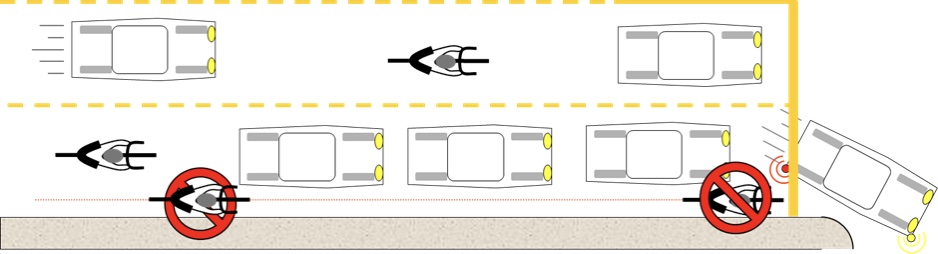
Passing is always done on the left! Passing on the right unless you are in a dedicated lane (a bike lane would be a dedicated lane) is in fact illegal. More importantly you put yourself in a dangerous position as motorists may not see you or forget that you are there. You will also frustrate them, especially if they just passed you and are now forced to pass you again. The last thing you need is a frustrated driver behind you trying to pass!
If you are in a bike lane and passing on the right, be alert to cars crossing over into the bike lane to turn. You also need to be watching for parked cars pulling out of parking spaces to the right of the bike lane.
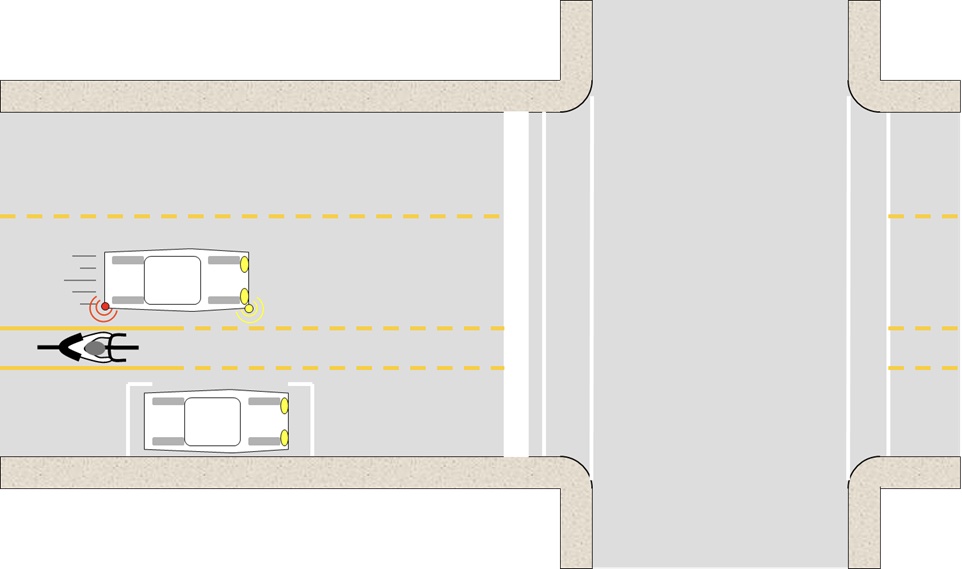
Take the lane at intersections
As you approach an intersection, shoulder check, signal and move to a position in the centre of the lane. This way you are more visible to both the car in front and behind you.
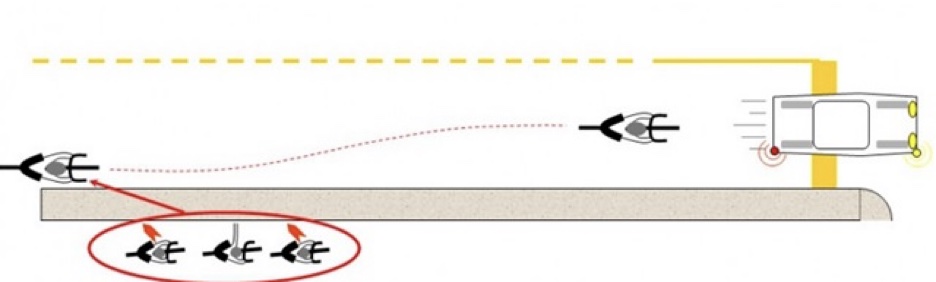
When the traffic begins to move you can start up without worry of tonnes of steel beside you start up. Once you are through the intersection you can return to a position “as close as practicable to the right.”
Don’t put your foot on the curb.
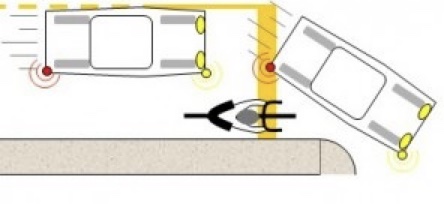
It’s convenient and comfortable to sit on your bike seat with your foot on the curb, but it is also positioning yourself where you don’t want to be, stuck between the curb and tonnes of steel and vulnerable to a car next to you is turning right. (right hook)
Sidewalks are for walking, it’s in the name
Riding on sidewalks is illegal and while it may seem safe, statistically they are not. Most car-bike collisions happen at intersection and many of them involve people riding on sidewalks. Drivers are simply not looking for a fast moving bicycles on the sidewalk. As well, many places where sidewalks intersect with motor vehicles such as back lanes and driveways are not controlled so drivers are not alerted to stop or yield.
Add in the many cases where there is limited visibility due to fences, trees and other objects it makes for even more potential for a car-bike crash. The simple solution is not to ride on sidewalks, however it is clear that many cyclists still feel safer on the sidewalk so if you must take the sidewalk, ride slowly (at pedestrian speed) and take extra caution at all intersections.